 English
 Kinyarwanda

WASAC Group Extends Clean Water and Health Insurance Support to Genocide Survivors in Rubavu
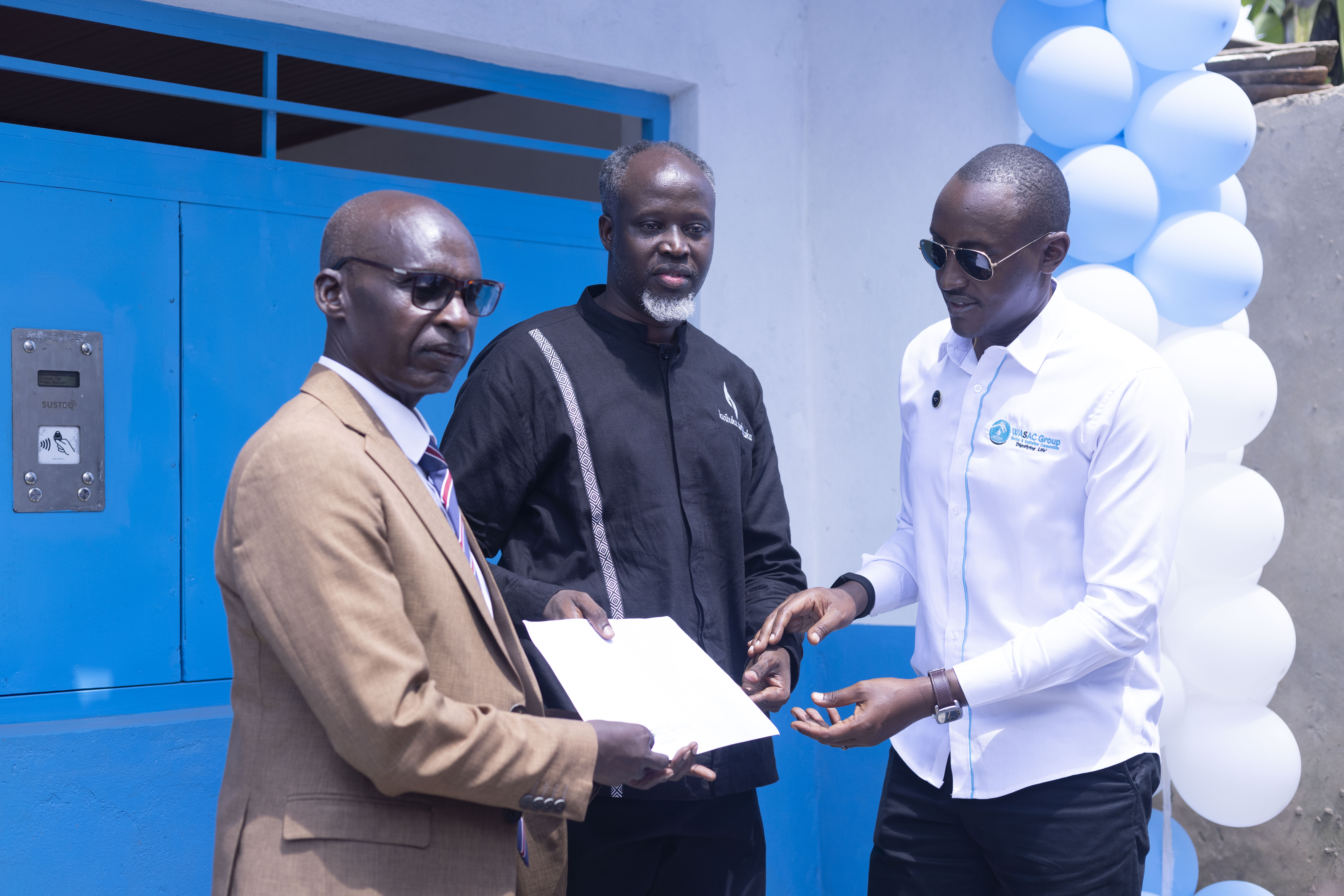
The event commenced with a visit to the Commune Rouge Genocide Memorial, where WASAC Group staff from the Rubavu Branch and Gihira Water Treatment Plant paid tribute to the victims of the 1994 Genocide against the Tutsi and contributed to the preservation and maintenance of the memorial site. As part of the initiative, WASAC Group provided Community-Based Health Insurance (Mutuelle de Santé) to 60 vulnerable genocide survivor families, benefiting a total of 205 family members from Gisenyi, Rubavu, Kanzenze, Rugerero, and Mudende Sectors of Rubavu District.
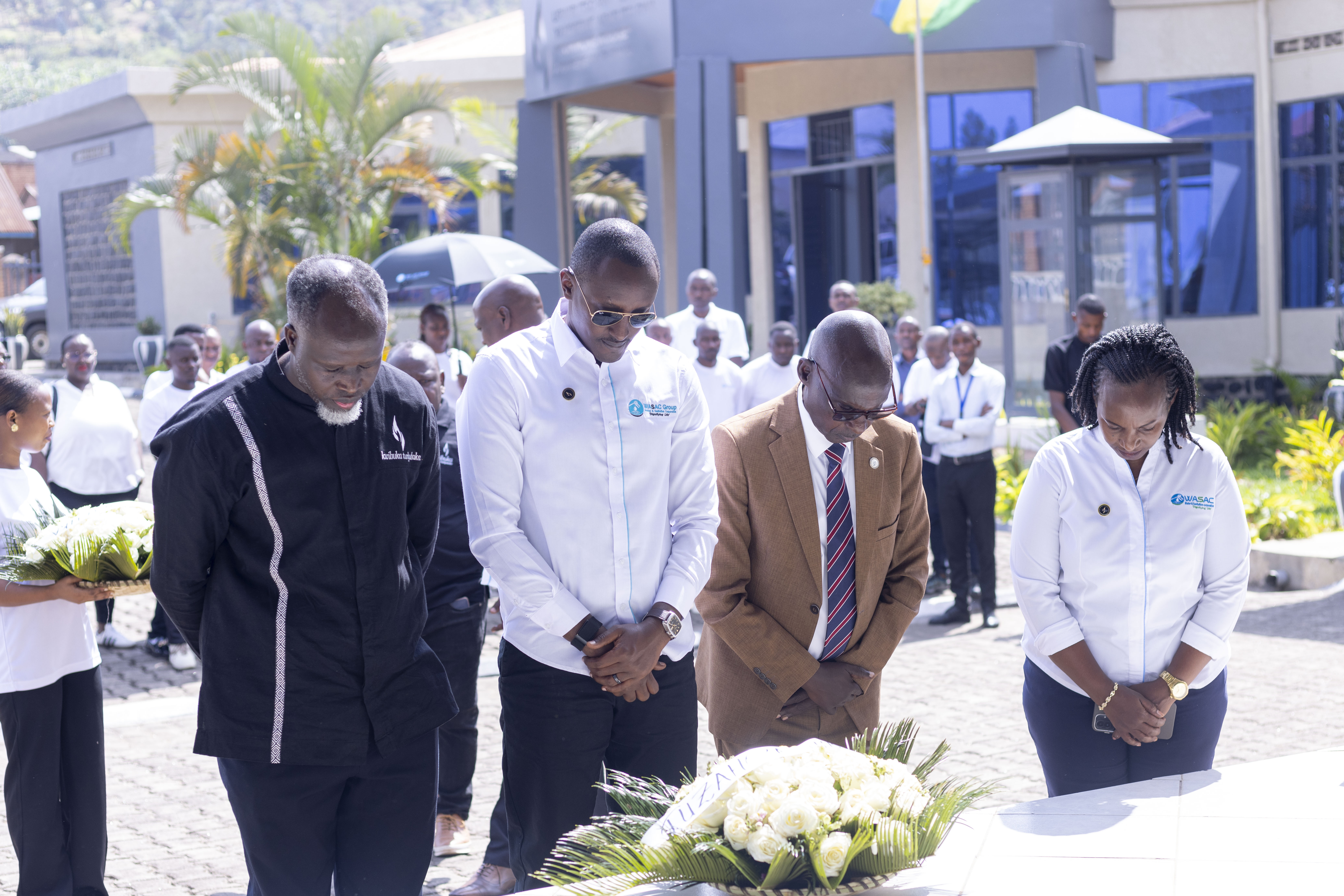
In addition, a public water tap equipped with a prepaid metering system was inaugurated in Ntama Village, Kabirizi Cell, Rugerero Sector, to improve access to safe and clean water for genocide survivors and the surrounding community. Speaking on behalf of genocide survivors, Mr. Gérard Mbarushimana, President of IBUKA in Rubavu District, expressed appreciation to WASAC Group for its continued commitment to supporting survivors. “We are grateful to WASAC Group for choosing Rubavu District for this meaningful support. Access to clean water and health insurance addresses some of the most pressing needs faced by vulnerable survivor families. This support not only improves our quality of life but also demonstrates solidarity and compassion towards genocide survivors,” he said.
Following the inauguration of the water point, Mr. Nzabonimpa Deogratias, Vice Mayor in Charge of Economic Development in Rubavu District, commended WASAC Group for implementing a project that benefits both genocide survivors and the surrounding community. He encouraged WASAC Group to continue delivering quality services to all citizens and urged community members to take ownership of the infrastructure by ensuring its proper maintenance and protection.
Addressing the gathering, WASAC Utility Managing Director, Mr. Maxime Mwiseneza, emphasized the importance of community responsibility in safeguarding the newly established facility. “This project is about more than water infrastructure. It is about restoring dignity, promoting wellbeing, and contributing to a better future for genocide survivors and their communities. By bringing clean water and supporting vulnerable Genocide survivors’ families through health insurance coverage, we are responding to fundamental human needs. We call upon the entire community to protect this infrastructure and use it responsibly so that it can continue serving future generations,” he said.
Other Posts

04/08/2026
Improved Water Access Transforms Lives in Nyamagabe
Nyamagabe, 04 August 2026. More than 48,000 residents of Kitabi, Tare, Uwinkingi and Kibirizi sectors in Nyamagabe District, are now benefiting from improved access to clean, safe following the successful reinforcement and upgrade of the Mabende–Rwufe Water Supply System.
20/07/2026
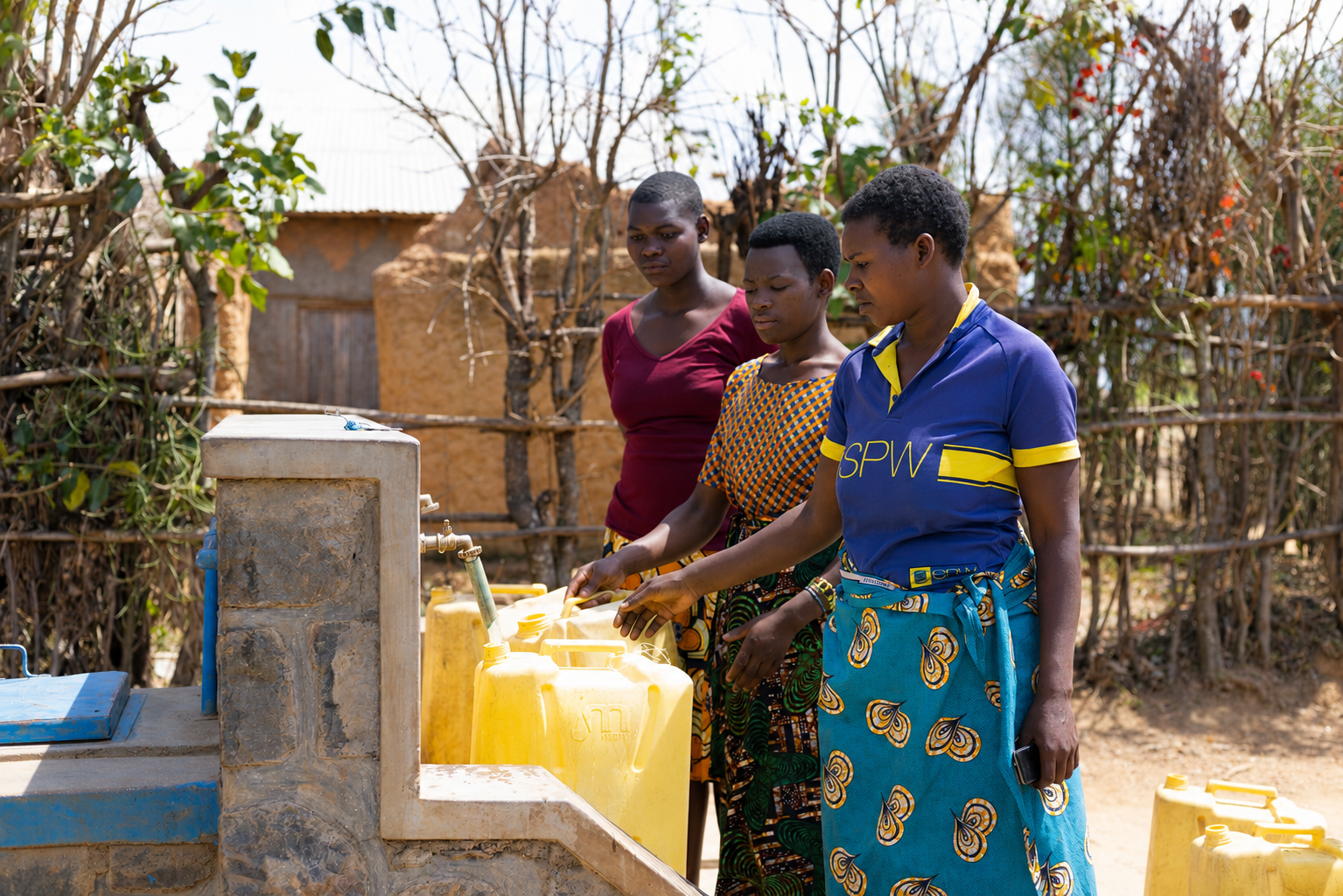
Rehabilitation of Water Systems Boosts Water Access to 86.4% in Nyaruguru District
Nyaruguru, 20 July 2026. The rehabilitation and upgrading of 10 water supply systems in Nyaruguru District has significantly expanded access to clean water, increasing water service coverage from 72% to 86.4% across the district.
03/07/2026
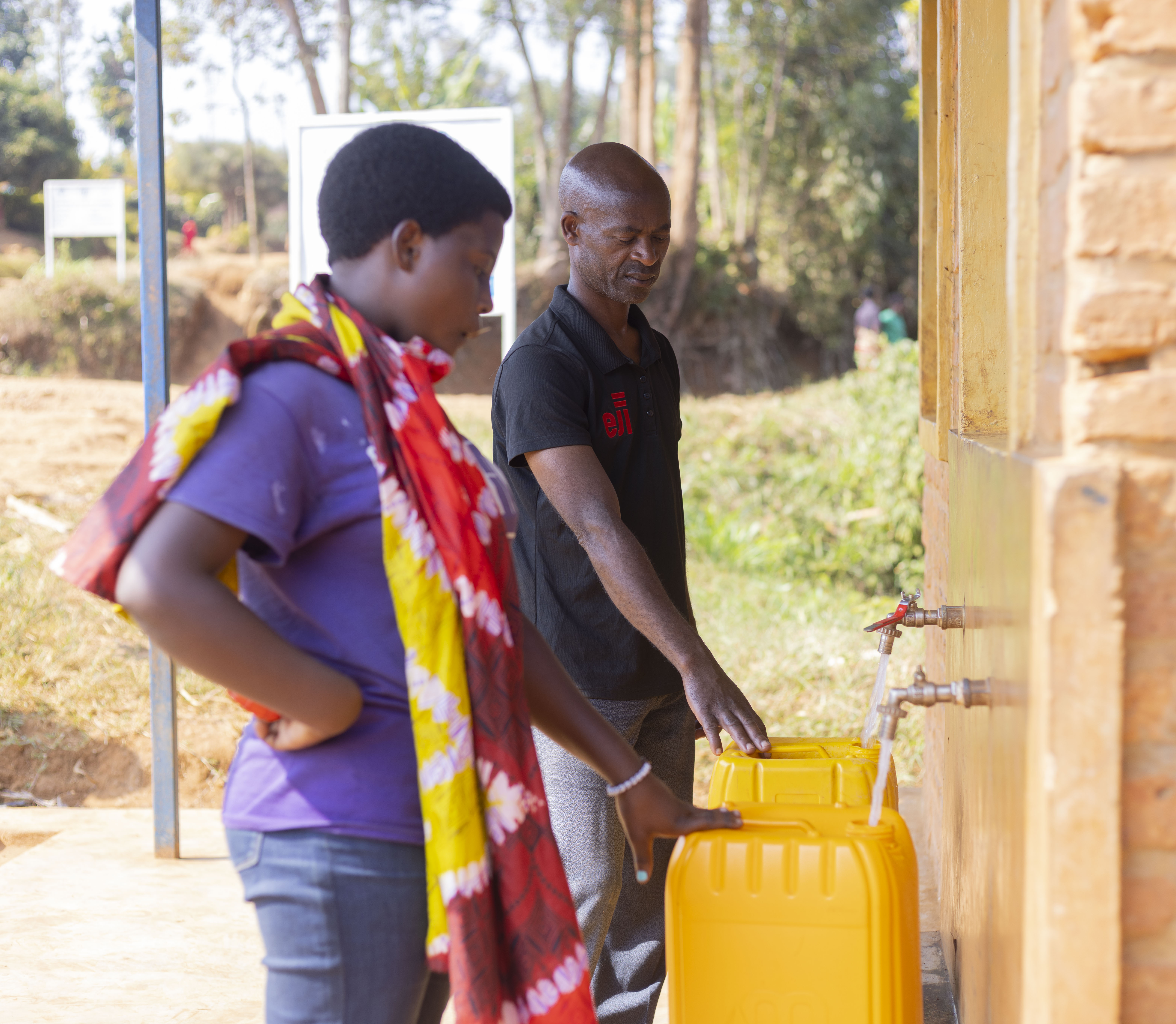
Rehabilitated Water Supply Systems Improve Water Access for Nearly 43,000 People in Rusizi
Rusizi, 03 July 2026. Nearly 43,000 residents in the Nkanka, Gihundwe, Giheke, and Gikundamvura sectors of Rusizi District have gained improved access to clean water following the completion of the rehabilitation of two major water supply systems: Rusayo–Rwabuto–Nkanka and Cyafuku–Kibangira–Kiziguro I & II.
26/06/2026
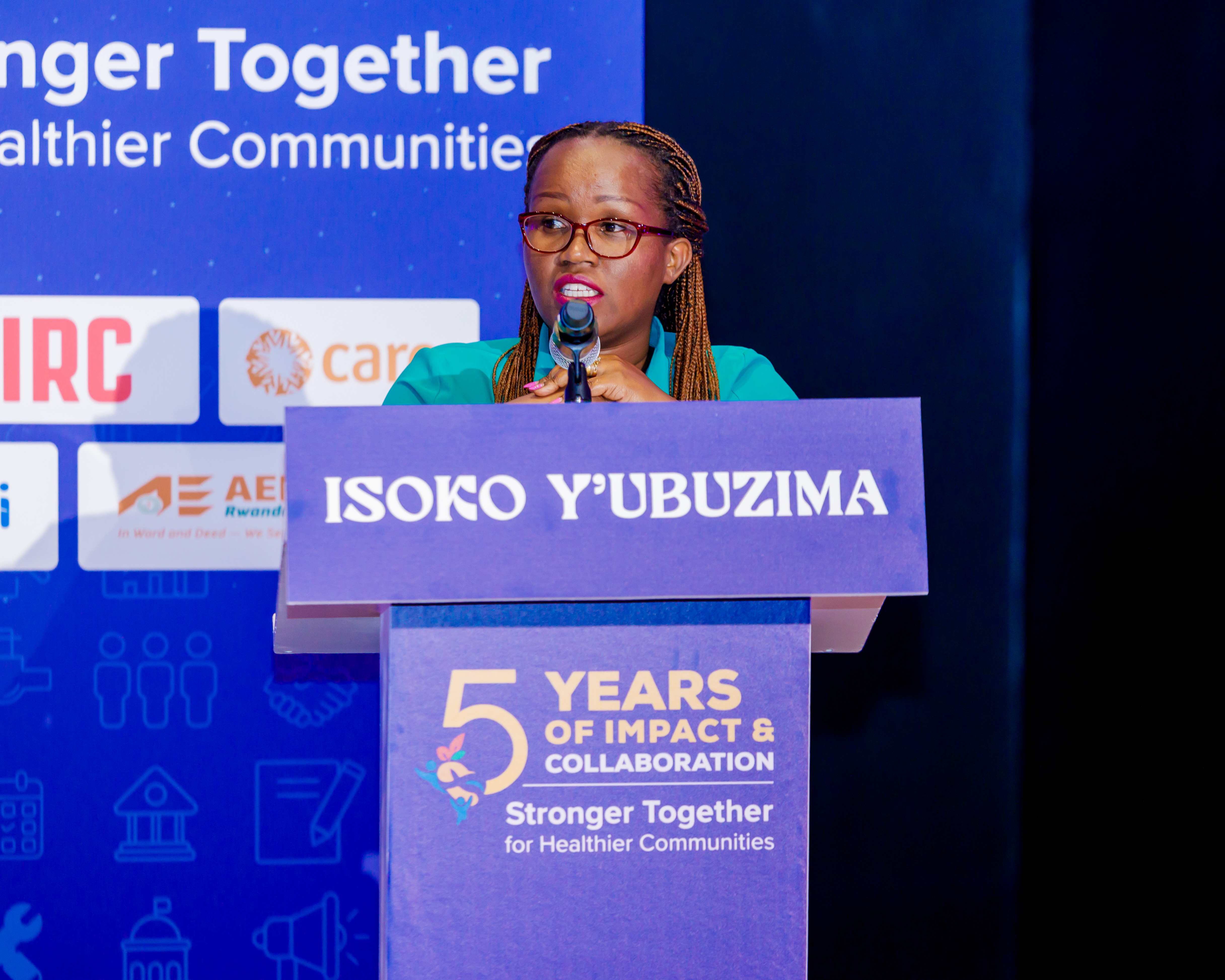
U.S.-Funded Isoko y’Ubuzima Project Leaves Lasting Legacy in Rwanda’s WASH Sector
Kigali, June 24, 2026. The five-year Isoko y’Ubuzima project, a flagship Water, Sanitation and Hygiene (WASH) initiative funded by the United States Government, officially concluded on Wednesday during a closing ceremony held at the Movenpick Hotel in Kacyiru, Kigali.