 English
 Kinyarwanda

Modern Landfill Construction in Rusizi Set to Improve Sanitation
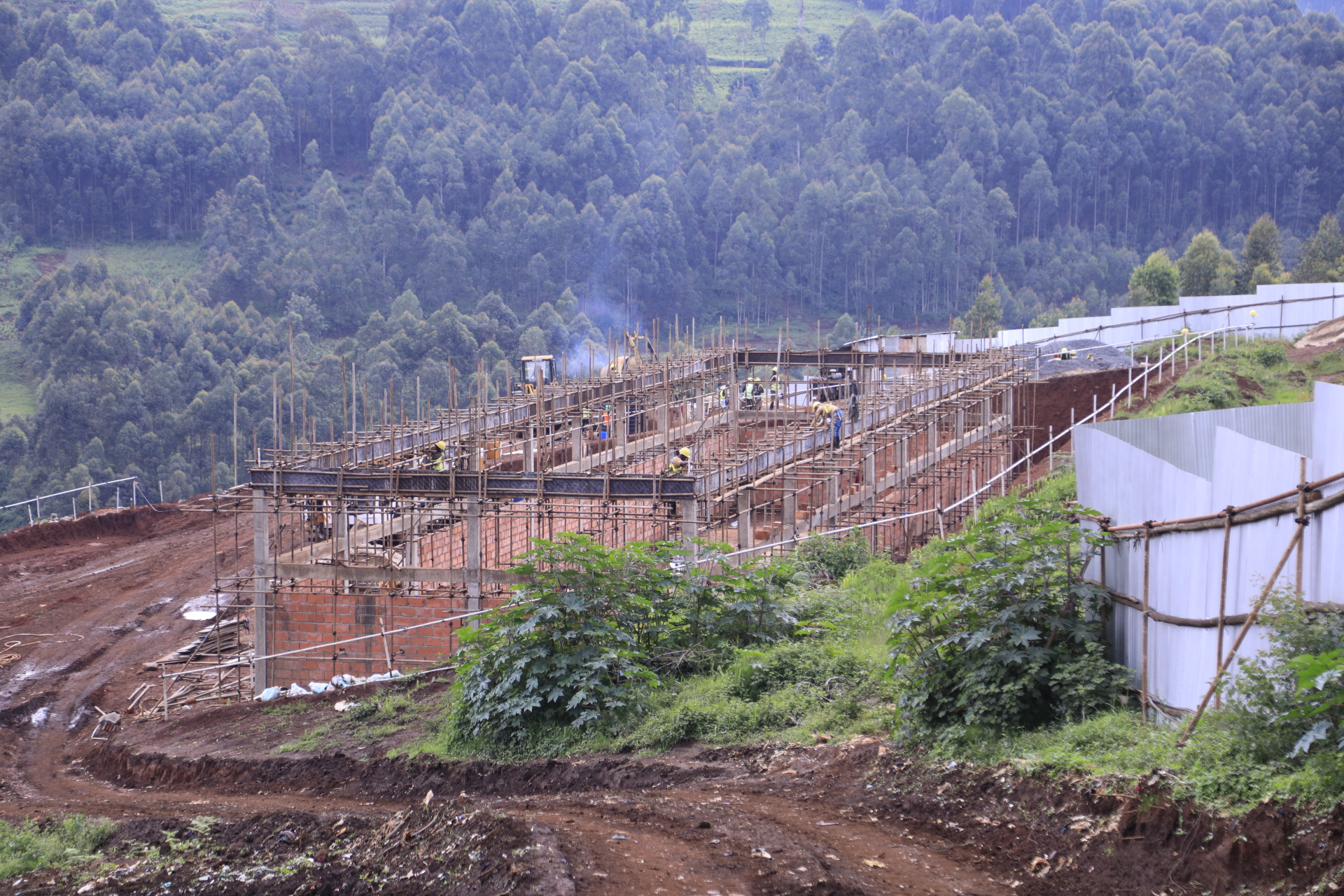
Once operational, the facility located in Ruganda Cell, Kamembe Sector, approximately 20 kilometres from Rusizi Town will be the first of its kind in the district, designed to enhance sanitation and environmental protection. During its initial phase, it will receive and treat waste from Gihundwe and Kamembe sectors.
With an investment exceeding Frw 2.3 billion, the facility will have the capacity to treat up to 42 cubic metres of faecal waste and 13 tonnes of solid waste per day upon completion. Biodegradable waste will be converted into compost, while non-biodegradable materials such as plastics and paper will be recycled into reusable products.
The Mayor of Rusizi District, Phanuel Sindayiheba, welcomed the project, underlining its importance for public health and environmental conservation.
“All waste generated in Rusizi Town will be collected and sorted at this facility. Organic waste will be transformed into compost, while plastics, including bottles, will be recycled into reusable materials,” he said.
The construction of the Faecal Sludge Treatment Plant (FSTP) and the modern landfill in Rusizi forms part of a broader sanitation programme also being implemented in Karongi, Rubavu, and Musanze districts. Funded by the African Development Bank (AfDB), these initiatives aim to expand access to safely managed sanitation services and strengthen public and environmental health through centralized and well-controlled faecal sludge treatment systems.
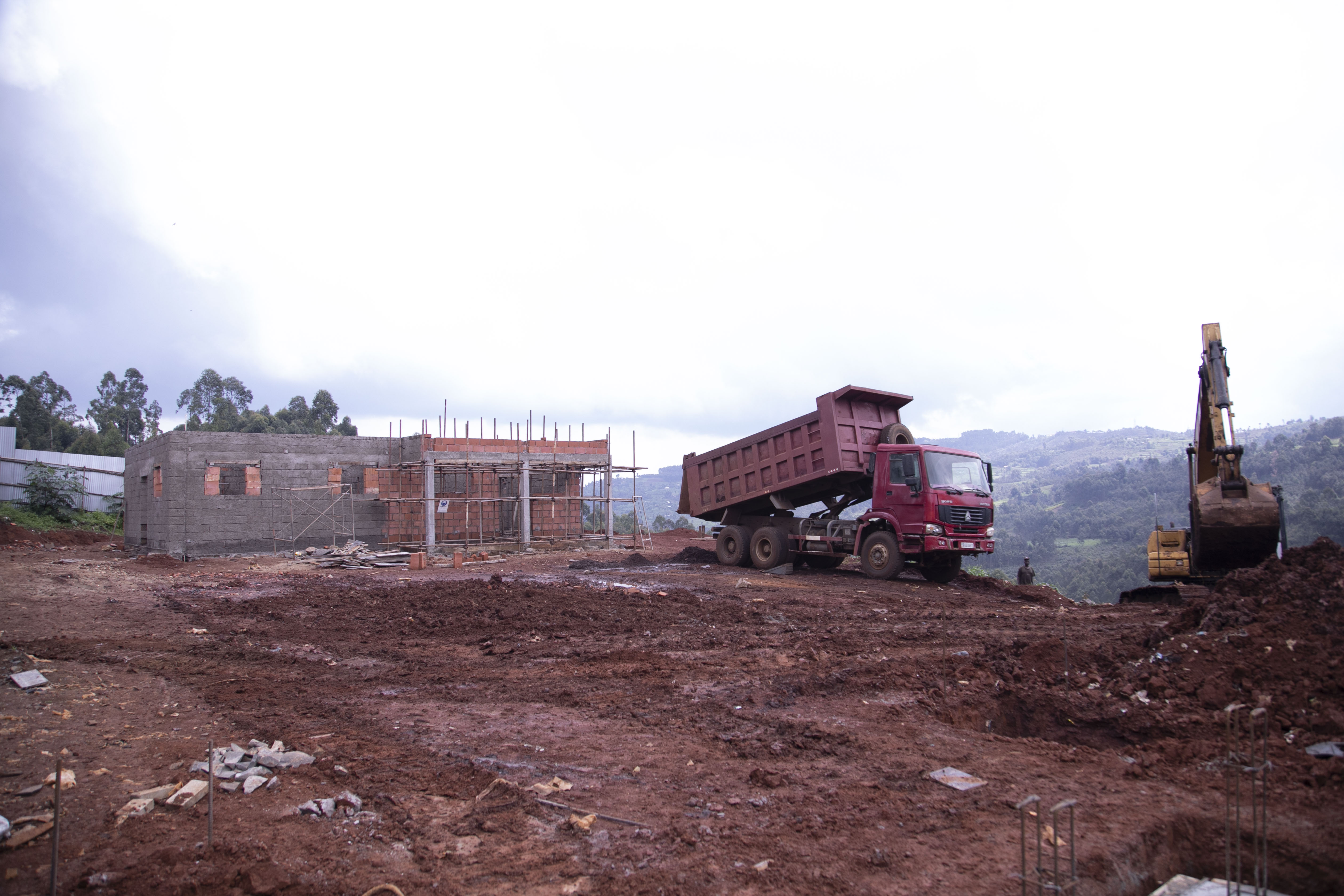
The Rusizi project began in February 2025 and is scheduled for completion in March 2026. Once operational, the facility is expected to significantly enhance waste management capacity in the district, reduce environmental pollution, and support Rwanda’s long-term sustainability and sanitation objectives.
Other Posts
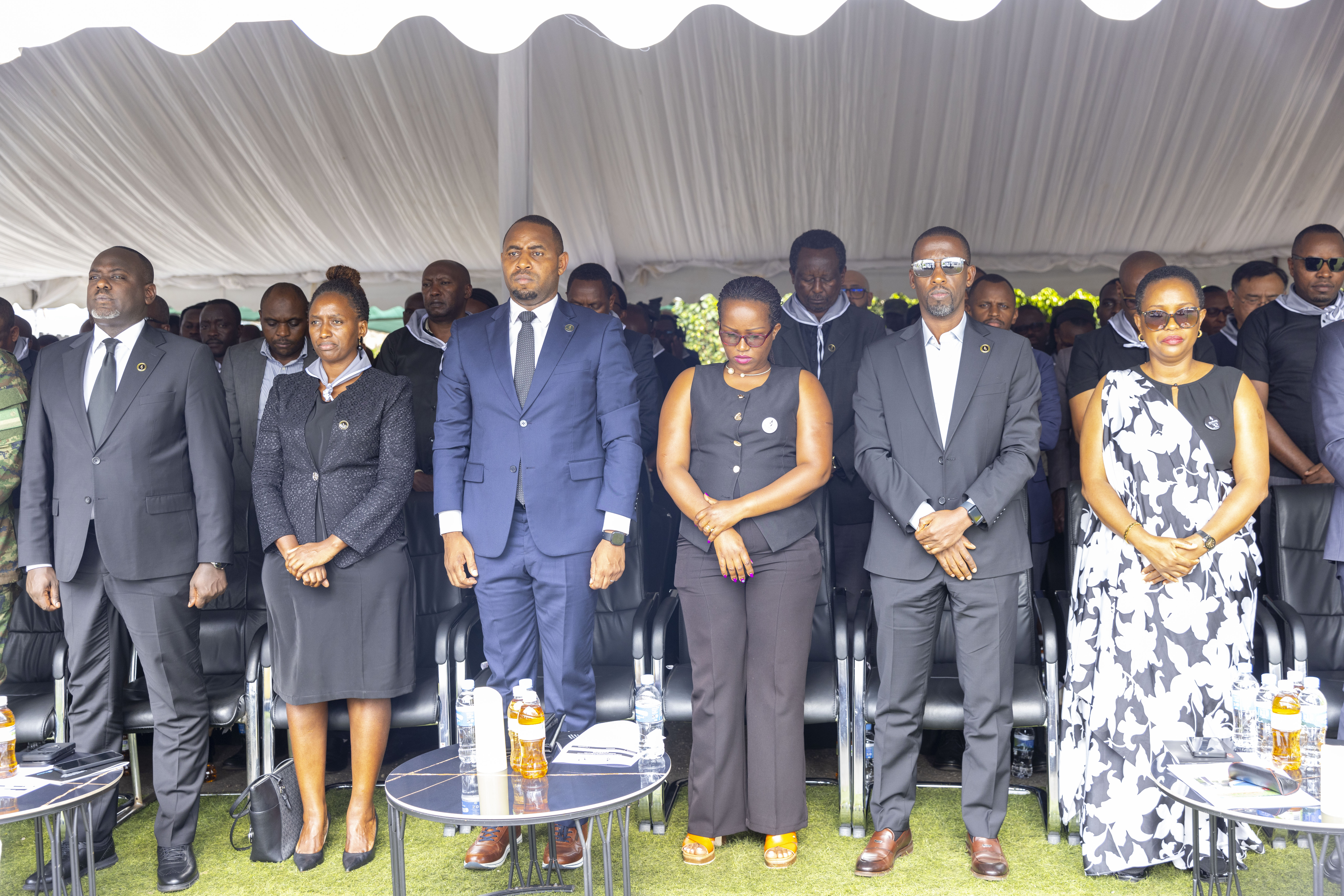
24/04/2026
WASAC Group and REG Commemorate Former ELECTROGAZ Employees Who Lost Their Lives in the 1994 Genocide against the Tutsi
Kigali – Friday, April 24 ,2026. Water and Sanitation Corporation (WASAC Group Ltd), in collaboration with Rwanda Energy Group (REG Ltd), convened a joint commemoration to honor former ELECTROGAZ employees who lost their lives during the 1994 Genocide against the Tutsi.
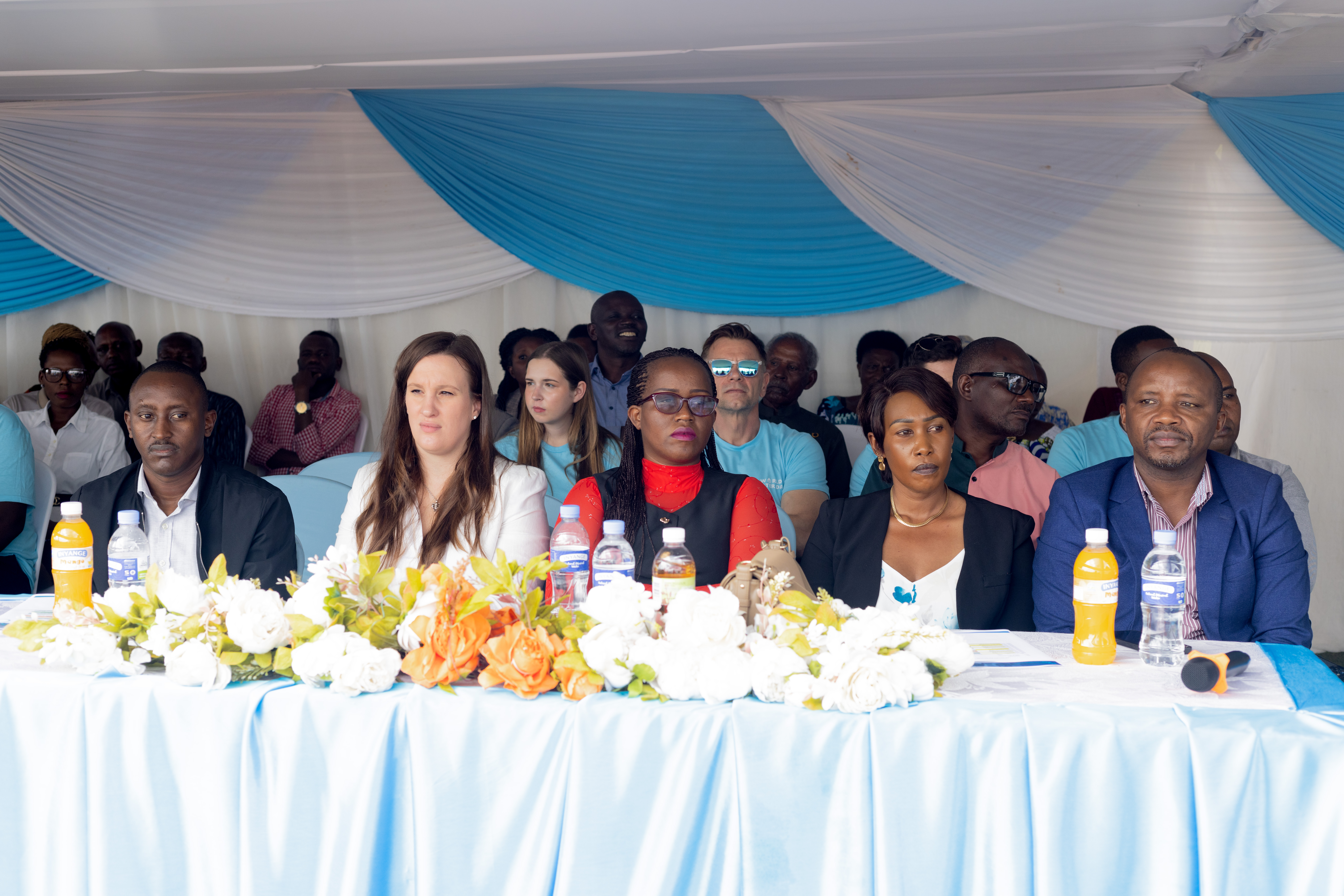
23/03/2026
WASAC Group and Partners Join Forces to Celebrate World Water Day 2026 in Rwamagana
Rwamagana District March 22, 2026. Water and Sanitation Corporation (WASAC Group), in partnership with the H2O Consortium and other stakeholders, joined residents of Karenge Sector to celebrate World Water Day 2026 under the theme “Water and Gender,” emphasizing the connection between water access and gender equality.
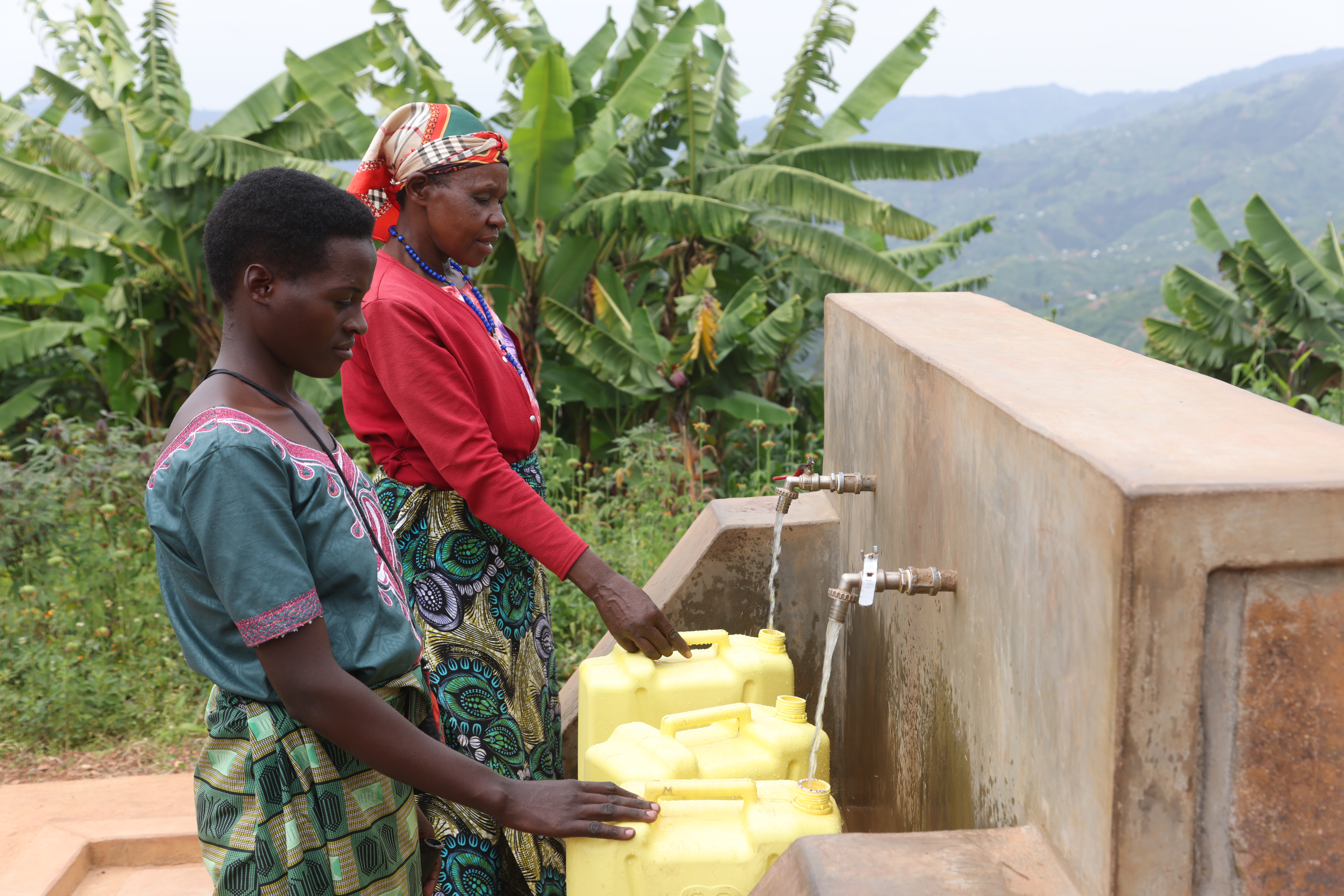
23/02/2026
Rehabilitation of Water Systems Transforms Lives in Gakenke District
Gakenke, 23 February 2026. In Gakenke District, the rehabilitation and extension of two water supply systems have improved living conditions for 1,653 households by providing clean water to 7,437 residents through a 31.8-kilometer network in Gashenyi and Muyongwe sectors.
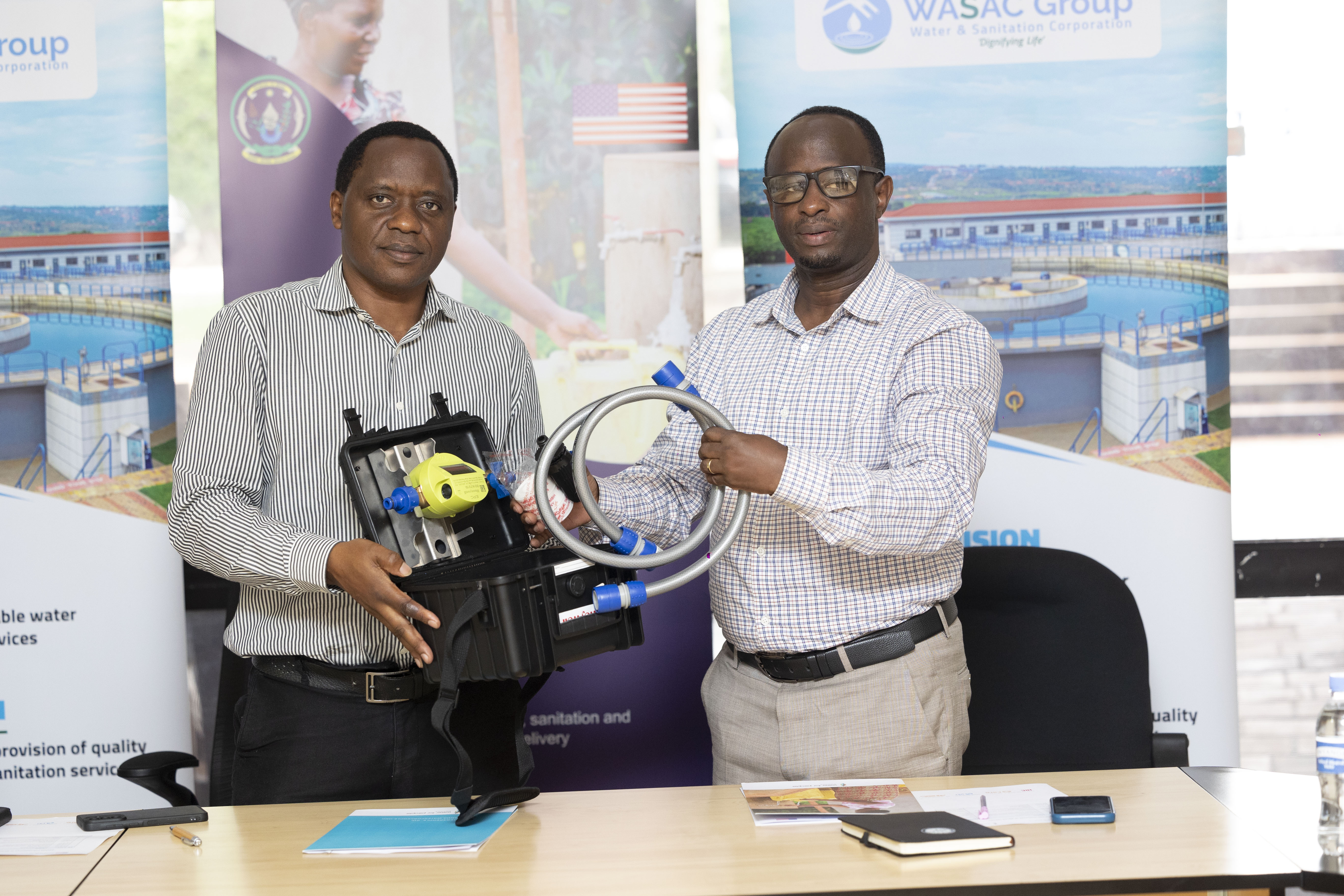
12/02/2026
WASAC Group receives meter testing kits to improve rural water billing and cut losses
Kigali 12 February 2026. Rural households in 10 districts are expected to benefit from more accurate water billing after Water For People donated 10 portable water meter testing kits to WASAC Group. The new equipment will strengthen rural water billing systems and contribute to reducing non-revenue water.